Tips for Choosing Reliable Wholesale Childrens Wear Suppliers
Finding dependable Wholesale Childrens Wear suppliers is important for retailers, boutiques, online shops, and private-label businesses. A trustworthy supplier can support stable product quality, manageable costs, and faster responses to changing children's fashion trends.
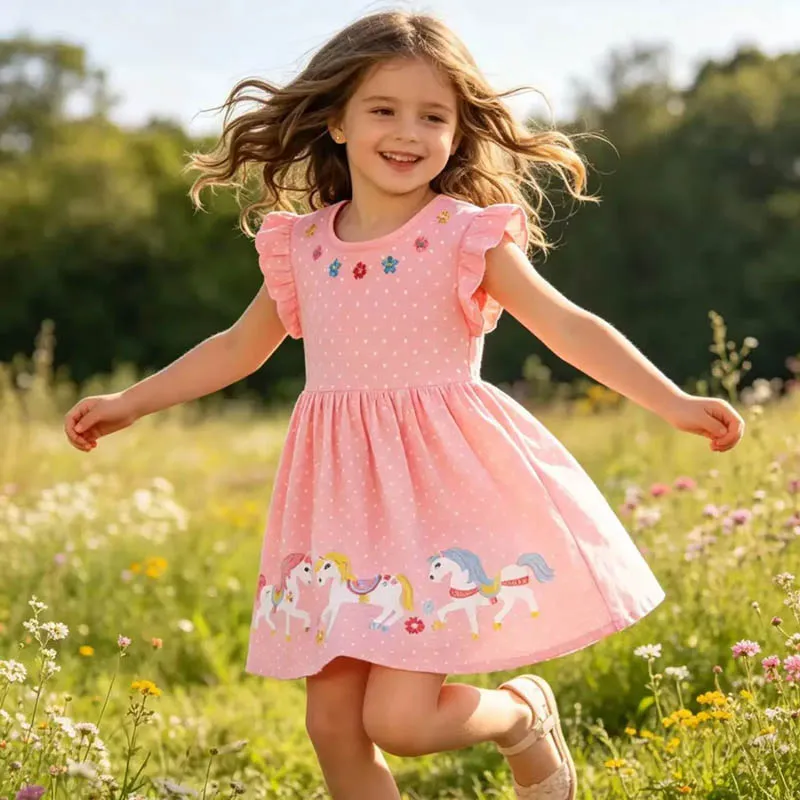
However, selecting the right supplier requires more than simply comparing wholesale prices. Businesses should consider product selection, quality control, minimum order requirements, customization services, shipping arrangements, and customer support before establishing a long-term partnership.
1. Examine the Supplier's Product Selection
A dependable supplier should provide enough product variety to support your children's apparel business as it expands. Ideally, the catalog should include everyday clothing, seasonal styles, accessories, and complementary merchandise.
Retailers may need products such as:
T-shirts, tops, shirts, and sweaters
Pants, shorts, skirts, and leggings
Baby clothes and rompers
Dresses for casual and special occasions
Matching outfits and coordinated sets
Children's bags and backpacks
Fashion accessories and toys
A comprehensive product range allows retailers to experiment with different merchandise while reducing the need to coordinate with multiple suppliers.
For businesses seeking a diverse selection, FashionTIY offers a dedicated Wholesale Childrens Wear category featuring various children's apparel styles and product categories.
2. Assess Product Quality Thoroughly
Although pricing plays an important role, product quality has a direct effect on customer satisfaction and repeat business.
When assessing wholesale childrens wear suppliers, examine factors such as:
Fabric quality and long-term durability
Stitching and overall construction
Color consistency
Accurate sizing
Button and zipper performance
Comfort and breathability
Packaging quality
Whenever possible, request samples before placing a substantial order. Sampling allows you to inspect the products firsthand and determine whether they meet your store's quality expectations.
3. Compare Prices and Minimum Order Quantities
Wholesale prices should provide enough margin for your retail business while still delivering acceptable product quality.
Rather than focusing only on the listed unit price, calculate the complete sourcing expense, including:
Product costs
Minimum order quantities
Customization charges
Packaging expenses
Shipping fees
Possible import-related expenses
Flexible MOQs can be especially helpful for smaller boutiques. Lower initial quantities make it easier to experiment with new designs without tying up too much capital in unsold inventory.
4. Choose Suppliers With Trend-Responsive Kids' Styles
Children's fashion is influenced by seasons, holidays, school calendars, and changing consumer preferences. Suppliers should therefore offer updated styles that help retailers keep their collections appealing.
Matching outfits can be particularly beneficial because coordinated pieces make merchandising easier and may encourage shoppers to purchase complete outfits.
FashionTIY provides Bulk Kids Outfit Sets, allowing retailers to source coordinated children's clothing for various occasions and preferences.
5. Review Age Groups and Product Categories
A capable children's clothing supplier should organize its products across different age groups, making inventory planning easier.
Baby and toddler clothing often requires different materials, proportions, and designs compared with apparel for older children. Clear age-based segmentation can therefore help retailers create a more balanced product assortment.
For younger shoppers, Wholesale Kids Rompers can offer practical choices for baby and toddler collections.
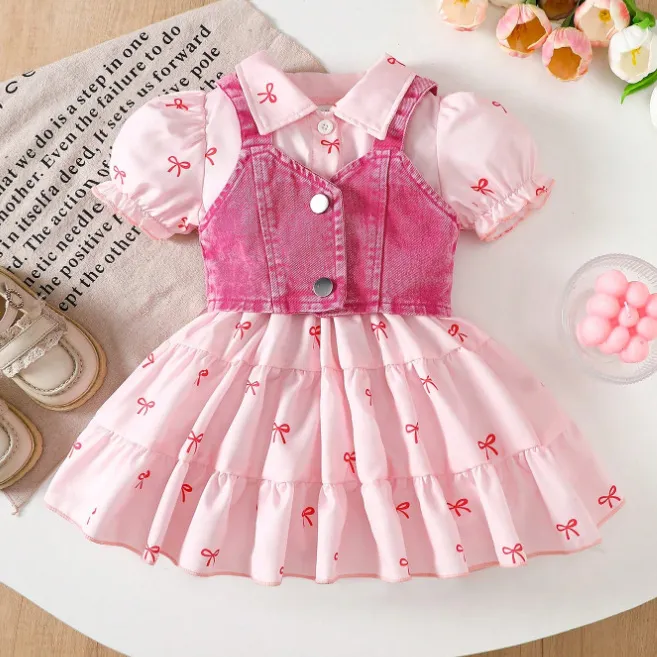
Retailers targeting girls can also broaden their seasonal assortment with Bulk Girls Dresses, featuring options for everyday wear, celebrations, parties, and other occasions.
6. Investigate Accessories and Complementary Merchandise
Children's apparel does not need to be the only merchandise category in your store. Complementary products can increase basket size and help create a more complete shopping experience.
Depending on your retail strategy, consider products such as:
Hair accessories
Children's jewelry
Hats and caps
Socks
Small bags
Backpacks
Toys
Seasonal accessories
FashionTIY also offers Wholesale Kids Decor, enabling retailers to source children's accessories alongside their apparel collections.
Retailers seeking to expand their bag assortment can also consider Bulk Kids Bags to complement children's clothing and create additional merchandising opportunities.
7. Plan Around School and Seasonal Shopping
Back-to-school periods can generate significant demand for children's merchandise. Parents often purchase apparel, backpacks, accessories, and other school-related products together.
When preparing seasonal inventory, consider items such as:
School backpacks
Everyday children's clothing
Jackets and sweaters
Sportswear
Lunch accessories
Seasonal footwear
Retailers preparing for school-season sales can pair apparel with Bulk Backpacks for School to create a more complete merchandise selection.
Planning inventory several weeks or months in advance can also reduce the pressure associated with urgent seasonal sourcing.
8. Investigate Customization Services
For private-label children's brands, ready-made wholesale products may not always meet branding requirements. Businesses may need customized colors, labels, packaging, prints, or other product specifications.
Before selecting a supplier, ask whether they provide:
Private-label services
Custom labels
Custom packaging
Logo printing
Product modifications
Sample development
Custom-order MOQ requirements
A supplier capable of supporting customization can help a business establish a distinctive children's brand instead of competing primarily through lower prices.
9. Assess Communication and Customer Support
Effective communication can prevent many common sourcing problems.
A reliable supplier should provide clear information about product specifications, pricing, stock availability, production timelines, and shipping arrangements.
Before making a large purchase, test the supplier by asking several practical questions. Evaluate how quickly they respond, whether their answers are accurate, and how willing they are to address potential concerns.
Good communication becomes even more important when handling customized products or preparing inventory for seasonal demand.
10. Review Shipping and Fulfillment Services
Shipping costs and delivery performance can have a substantial impact on both product profitability and inventory planning.
Before choosing a wholesale childrens wear supplier, clarify details such as:
Available shipping methods
Expected delivery schedules
Order tracking services
Supported shipping destinations
Packaging procedures
Damaged-product handling
Return and replacement policies
A dependable fulfillment process can help retailers maintain adequate stock levels while minimizing unexpected delivery delays.
11. Explore Additional Children's Merchandise
Expanding beyond apparel can help children's stores appeal to parents seeking convenient, one-stop shopping.
For example, a boutique could combine clothing with toys, accessories, and seasonal merchandise. Retailers can also develop themed collections around birthdays, holidays, school seasons, or special occasions.
Businesses interested in expanding their children's merchandise selection can explore Bulk Toys Wholesale as an additional product category.
12. Create a Supplier Evaluation Checklist
Before committing to a wholesale supplier, compare multiple criteria rather than choosing based solely on price.
| Evaluation Factor | What to Check |
|---|---|
| Product Quality | Materials, stitching, sizing, and finishing |
| Product Range | Clothing, sets, dresses, rompers, and accessories |
| Pricing | Wholesale prices and total sourcing expenses |
| MOQ | Flexibility for both smaller and larger purchases |
| Customization | Labels, packaging, logos, and product specifications |
| Shipping | Delivery times, tracking, and supported destinations |
| Customer Service | Communication quality and problem resolution |
| Scalability | Capacity to handle increasing order volumes |
Using these criteria makes it easier to compare suppliers objectively and identify the options that best match your business requirements.
Why Consider FashionTIY for Wholesale Children's Fashion?
For retailers seeking a broader sourcing solution, FashionTIY combines children's apparel with several related merchandise categories within one marketplace.
Its selection includes children's clothing, outfit sets, rompers, dresses, accessories, bags, school backpacks, and toys. This range can help retailers simplify sourcing while experimenting with different product categories.
For small boutiques, online retailers, and growing children's fashion brands, accessing multiple product categories from one supplier can make purchasing and inventory management more convenient.
Choosing reliable Wholesale Childrens Wear suppliers requires a balanced assessment of price, quality, product variety, flexibility, and service. A supplier should not be selected simply because it offers the lowest wholesale price.
Instead, examine product samples, compare MOQs, understand shipping policies, review customization services, and determine whether the supplier can accommodate your business as it grows.
The right supplier can help you develop a diverse children's collection, prepare for seasonal demand, respond to changing trends, and deliver a better shopping experience for parents and young customers.


Comments
Post a Comment